
The Kuljic Total Health Dentistry Approach
A comprehensive way of understanding how breathing, bite, jaw function, structure, and aesthetics work together to support long-term oral health and overall well-being.
At Kuljic DDS & Team, treatment planning begins with understanding the whole system, not just the tooth that hurts or the smile you want to improve.
We look at which factors are driving discomfort, wear, instability, or recurring dental problems, so care is planned with clarity, precision, and long-term purpose.

Five Areas That Shape Your Care
Our approach is built around five connected areas that help us understand the bigger picture behind your oral health, comfort, function, and long-term stability.
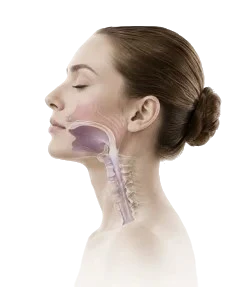
Airway & Breathing
Breathing shapes sleep, jaw development, muscle balance, and posture. When the airway is restricted, the effects show up in the teeth, the jaw, the bite, and how rested you feel, often long before anyone connects them.
Understanding how you breathe changes how we plan everything else. It's why airway is the first of the five areas, not an afterthought.
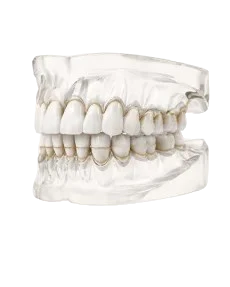
Structural Alignment
The way the teeth, jaws, and facial structures fit together affects how the bite functions, how forces are distributed, and how the smile holds up over time. Even small imbalances, left alone for years, become wear, discomfort, instability, or repeated dental problems.
When structure is properly understood, treatment reduces stress instead of adding to it, and the result rests on a stable foundation.

Neuromuscular Harmony
The jaw joints, muscles, and bite are designed to work together in balance. When that balance is disrupted, the body compensates: clenching, grinding, tension headaches, jaw pain, and teeth that wear or fracture under the strain.
Restoring that harmony takes the stress off the teeth and lets the whole system settle into comfortable, stable function.
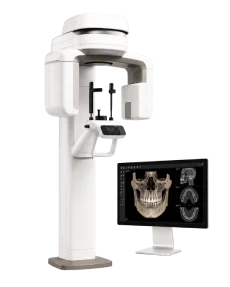
Preventive Diagnostics
Careful diagnostics identify concerns early, show us what's driving them, and let us plan treatment before problems become complex. Prevention is not only cleanings and checkups: it's understanding your risk before it becomes your problem.
Advanced diagnostics give us the insight needed to prevent, intercept, and protect your long-term oral and overall health.

Aesthetic Function
A healthy smile should look natural, feel comfortable, and function well. We believe aesthetics should never come at the expense of stability, balance, or long-term health.
When aesthetics are built on a healthy foundation, your smile can look natural, feel comfortable, and last for years to come.
Together, these five areas answer one question: not just what's wrong today, but why, and what it will take for the result to last.
Training Behind the Approach
This way of working is not something we assembled on our own. Dr. Kuljic and Dr. Mandic both trained at the Kois Center, one of the few programs in the country built around diagnosing the cause of dental disease rather than repairing its results.
Dr. Kuljic went on to teach there as a Clinical Instructor with Honors.
The philosophy runs through everything on this page: find what is driving the problem, explain it to the patient, and plan treatment that holds.