
Functional Orthodontics in Beverly, MA
Crowded or crooked teeth are a symptom, not the problem itself. Behind them, there's usually a jaw that didn't develop enough room, a tongue resting in the wrong place, or years of breathing through the mouth.
Functional orthodontics addresses what's driving the misalignment. By guiding jaw development and retraining oral function, we create room for the teeth, the tongue, and the airway. The alignment that follows is built to last.
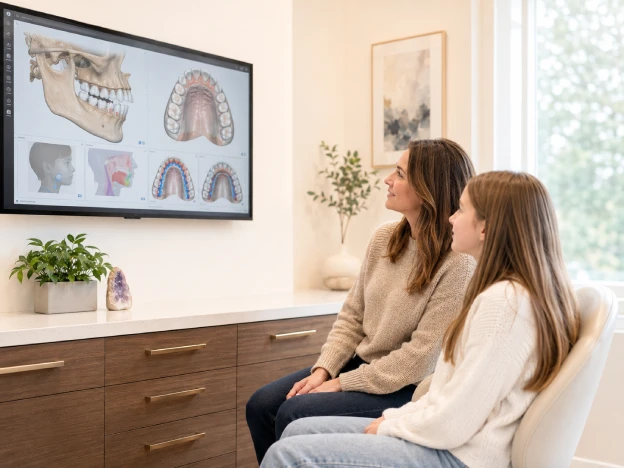
When Growth, Breathing, and Alignment Are Connected
Crowded teeth, narrow arches, and bite problems rarely develop on their own. In most cases, something has been shaping them for years: mouth breathing, a tongue that rests low instead of against the palate, or swallowing habits that put constant pressure on the teeth.
Traditional orthodontics straightens the teeth and stops there. But when the cause stays behind, the results don't hold. This is why so many adults who wore braces as teenagers watch their teeth shift back.
Many of these signs look unrelated to teeth, which is why they're easy to miss, in children and adults alike.
Signs in Children
Signs in Adults
Some of these signs point beyond orthodontics, toward how you breathe during sleep or how your jaw joints function. That's exactly why the evaluation here looks at all of it together — airway, bite, and jaw function are examined as one system, not three separate problems.
A Different Kind of Orthodontic Planning
Straight teeth are the result of this process, not the starting point. Before any appliance is chosen, we need to understand why the teeth ended up where they are.
Evaluate the Whole System
The evaluation looks at jaw development, tongue posture, breathing patterns, and how the bite comes together. Sometimes the crowding is a simple space problem. More often, it's the visible part of something larger.
Guide Growth and Create Room
Instead of extracting teeth to relieve crowding, functional orthodontics develops the arches so the teeth, tongue, and airway all have the space they need. In children, this means guiding growth while it's still happening. In adults, appliances like MARPE make expansion possible without surgery in many cases.
Retrain the Muscles That Shaped the Problem
This is the step most orthodontic treatment skips. If the tongue keeps resting low and the mouth stays open, the same forces that caused the problem keep working against the result. Our in-house myofunctional therapy program retrains tongue posture, swallowing, and breathing habits, so the new space is used and kept.
Who Functional Orthodontics Helps
For Children (Ages 5–12)
The best window for functional orthodontics is while the jaws are still growing. At this stage, growth can be guided instead of corrected: arches develop the room they need, breathing and tongue habits are addressed early, and many children avoid extractions or years of braces later.
If your child shows signs like mouth breathing, snoring, or early crowding, an evaluation now can change the entire course of their development. Appliances like Myobrace work with growth, not against it.
For Adults
Most adults assume that once growth stops, so do their options. That's no longer true. MARPE makes palatal expansion possible for adults, in many cases without surgery, creating room for the tongue and opening the nasal airway.
Adult patients rarely come to us for straighter teeth. They come because of jaw tension, grinding, poor sleep, or teeth that shifted back after braces years ago. Functional treatment addresses what's behind those symptoms.
Appliances & Approaches We Use
There's no single appliance for every patient. The choice follows the evaluation: what the jaws need, what stage of growth the patient is in, and what the airway requires.
MSE / MARPE
Miniscrew-assisted palatal expansion for teenagers and adults. MARPE widens the upper jaw without surgery in many cases, creating room for the teeth and tongue and improving nasal breathing.
Myobrace
A removable appliance system for children that guides jaw development and corrects the habits behind crowding: mouth breathing, low tongue posture, and reverse swallowing.
NiTi Palatal Expander
A nickel-titanium expander that widens a child's arch with light, continuous pressure instead of the sharp turns of a traditional screw expander.
Bent Wire System (BWS)
A fixed, low-profile appliance that develops the arches gradually. The BWS works well for patients who need steady expansion over time, and it stays in place, so results don't depend on remembering to wear it.
Functional Orthodontic Results
Palatal expansion changes more than the alignment of the teeth. In these two patients, a 15-year-old and an adult, expansion improved breathing and sleep. In one case, myofunctional therapy and veneers completed the transformation.
Both cases were treated in our office by Dr. Kuljic.
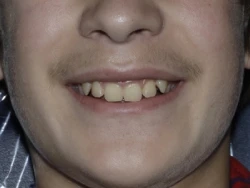
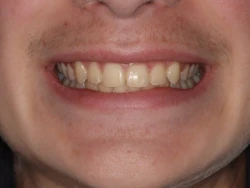
Expansion in a Growing Teen
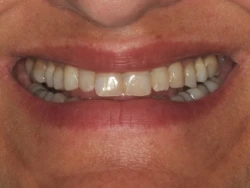
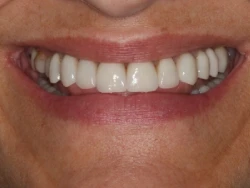
Expansion, Therapy & a New Smile
Functional Orthodontics FAQs
Earlier than most parents expect: around age 5 to 7. That's not because treatment always starts then, but because this is when jaw development can still be guided easily, and when habits like mouth breathing are easiest to correct. If you're already noticing snoring, open-mouth sleeping, or crowding, don't wait for a specific age. Those signs are worth evaluating whenever they appear.
Yes. This is one of the biggest changes in orthodontics over the past decade. With MARPE, the upper jaw can be expanded in adults, in many cases without surgery. Adult patients typically seek expansion for breathing, sleep, and jaw comfort as much as for their smile.
Braces move teeth into alignment within the jaw as it is. Functional orthodontics develops the jaw itself, addresses the breathing and tongue habits behind the crowding, and then aligns the teeth in the room that's been created. For traditional braces and clear aligners, which still have their place, see our orthodontics page.
Sometimes, yes. Functional treatment doesn't always eliminate the need for braces, but when they are needed afterward, treatment is usually shorter and simpler because the jaws already have room. What functional treatment aims to prevent is the harder path: extractions, prolonged treatment, and results that relapse.
It depends on the phase and the patient. Expansion takes months, while guiding growth and retraining habits is measured in phases over a longer period. After your evaluation, you'll get a realistic timeline for your specific case, not a generic estimate.
Start With an Evaluation, Not an Assumption
Whether it's your child's breathing at night or your own jaw tension that brought you here, the starting point is the same: a comprehensive evaluation of the airway, bite, and jaw development.
From there, you'll know exactly what's going on and what your options are. No guesswork, no one-size-fits-all plan.
or call 978-922-4200