
What Causes Teeth to Move and How to Keep Your Smile Straight
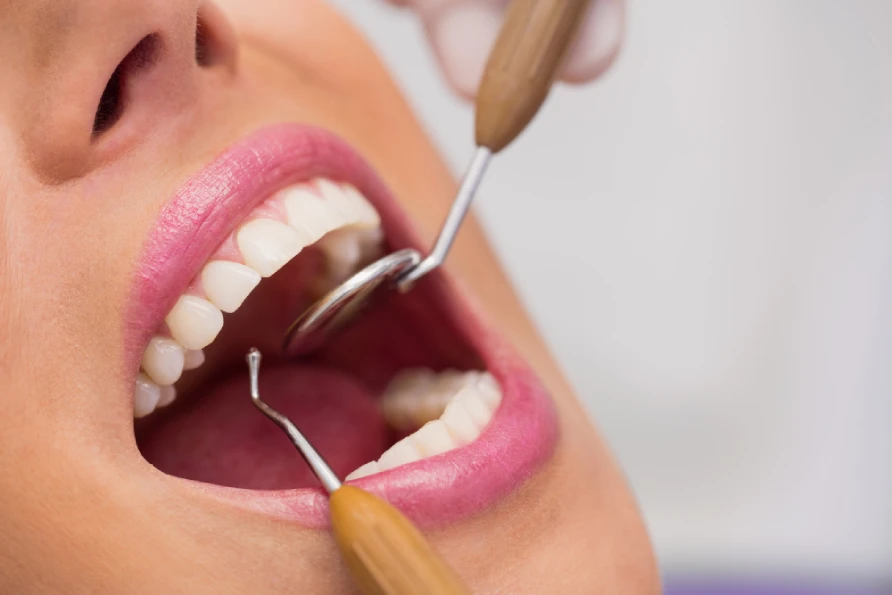

If you’ve noticed your teeth shifting over time, you’re not alone. Teeth naturally move throughout your life, sometimes in ways you might not expect. Significant tooth shifting can cause not just cosmetic concerns, but also oral health issues and even discomfort.
At Kuljic DDS & Team, we help our patients understand why teeth move and how to prevent unwanted smile changes. In this article, we’ll explain the common causes of tooth movement and share practical ways to maintain straight, healthy teeth.
Why Do Teeth Shift and Move?
Natural Aging Process
As we age, the natural wear and tear of daily chewing, biting, and speaking can subtly alter tooth positioning. Gradual bone loss and changes in the density of your jawbone, common with age, can reduce the stability of your teeth. This, in turn, may cause teeth to shift gradually.
Tooth Loss and Gaps
When you lose a tooth due to decay, injury, or extraction, adjacent teeth may slowly drift into the open space. This movement can create gaps, misalignment, and bite problems. Even one missing tooth can significantly affect the alignment of your entire mouth.
Gum Disease and Periodontal Issues
Gum disease affects not just gums, but also the bone and tissues supporting your teeth. As periodontal disease progresses, it can lead to loss of bone density around teeth, reducing support and causing teeth to become loose and shift position.
Teeth Grinding (Bruxism)
Chronic teeth grinding or clenching, especially during sleep, places excessive pressure on teeth. Over time, this habit can lead to shifting, misalignment, and uneven wear on your teeth, altering your bite and smile.
Orthodontic Relapse
After orthodontic treatments like braces or Invisalign, teeth may attempt to return to their previous positions if retainers aren’t worn as recommended. This is called orthodontic relapse and is a common reason why patients see their teeth shifting again after braces.
Consequences of Teeth Movement
Shifting teeth can cause more than cosmetic issues. Teeth that move out of their proper alignment may cause:
- Misaligned Bite: Difficulty chewing, increased wear on teeth, and possible jaw pain.
- Increased Risk of Tooth Decay and Gum Disease: Misaligned teeth are harder to clean properly, raising the likelihood of cavities and gum issues.
- Cosmetic Concerns: Shifting teeth can negatively impact your smile, affecting confidence and self-esteem.
- Speech Issues: Teeth play a role in how you speak; shifting can sometimes affect pronunciation.
How to Keep Your Teeth from Shifting
Fortunately, there are effective ways to prevent or minimize tooth movement, keeping your smile straight and healthy.
Wear Your Retainers
If you’ve completed orthodontic treatment, consistently wearing your retainer is essential. Retainers hold teeth in their new positions, preventing them from reverting to their former alignment. Depending on your dentist’s recommendation, you may have a fixed or removable retainer to maintain your smile.
Practice Good Oral Hygiene
Healthy teeth and gums are key to maintaining proper alignment. Brushing your teeth twice daily, flossing regularly, and scheduling routine dental cleanings and exams help prevent gum disease and bone loss, significantly reducing unwanted tooth movement.
Address Tooth Loss Promptly
If you’ve lost a tooth, don’t delay seeking treatment. Prompt tooth replacement options like dental implants, bridges, or partial dentures keep your teeth from drifting into gaps, preserving your smile’s alignment and functionality.
Manage Bruxism (Teeth Grinding)
If you grind or clench your teeth, consider getting a custom-fitted nightguard from Kuljic DDS & Team. Nightguards protect your teeth from the damaging forces of grinding, helping prevent shifting and enamel wear.
Regular Dental Checkups
Routine dental visits allow your dentist to detect early signs of tooth shifting, bite changes, or alignment issues before they become significant problems. Early detection and intervention help maintain proper alignment and reduce potential complications.
When to Visit a Dentist
You should consult your dentist promptly if you notice significant changes in your tooth alignment, experience bite discomfort, or observe your teeth visibly shifting or overlapping. Early intervention is essential to prevent more complicated (and expensive) treatments down the line.
How Kuljic DDS & Team Can Help
At Kuljic DDS & Team, we specialize in preventive, restorative, and orthodontic treatments to help patients maintain beautiful, healthy smiles. We provide comprehensive dental evaluations, personalized treatment plans, and expert care to address tooth movement and alignment issues.
Our experienced dental professionals offer a variety of solutions—from custom retainers and nightguards to advanced orthodontic care—tailored specifically to your unique needs. We help you understand why your teeth might be moving and provide the best solutions to keep your smile straight and healthy.
Keep Your Smile Straight and Healthy
Understanding why teeth shift empowers you to take control of your oral health. By practicing good oral hygiene, addressing tooth loss promptly, managing teeth grinding, and visiting your dentist regularly, you can effectively minimize unwanted tooth movement.
If you’re concerned about shifting teeth, don’t hesitate to reach out to Kuljic DDS & Team. Our friendly, professional team is here to help you achieve and maintain the straight, healthy, beautiful smile you deserve.
Your smile is worth protecting. Let Kuljic DDS & Team help you keep it straight and healthy for life!