
How to Reverse Gum Disease


Gum disease, a condition that affects a significant portion of adults, can lead to serious oral health issues if left untreated. However, the good news from Kuljic DDS & Team in Beverly, MA, is that with early detection and proper care, it’s possible to halt and even reverse the progression of gum disease.
Understanding Gum Disease
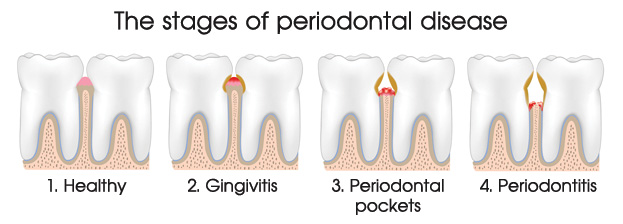
Gum disease, also known as periodontal disease, is an infection of the tissues that hold your teeth in place. It’s typically caused by poor oral hygiene that allows plaque, a sticky film of bacteria, to build up on the teeth and harden. Understanding the stages of periodontal disease is crucial for effective treatment:
- Gingivitis: The earliest stage, characterized by red, swollen gums that may bleed easily. At this stage, the disease is reversible with professional cleaning and improved home care.
- Mild to Moderate Periodontitis: If untreated, gingivitis can advance to periodontitis, leading to the formation of pockets between teeth and gums, bone loss, and potentially, tooth loss. Early intervention can prevent further damage.
- Advanced Periodontitis: In this final stage, the fibers and bone supporting your teeth are destroyed, causing teeth to shift or loosen. This can impact your bite and, if aggressive treatment isn’t pursued, may result in tooth loss.
Early Signs of Gum Disease
Early detection of gum disease is crucial for successful reversal and maintaining oral health. Below are key signs that indicate the onset of gum disease, each accompanied by a brief explanation:
- Persistent Bad Breath: A constant unpleasant taste or chronic bad breath can be a sign of accumulating bacteria under the gumline.
- Red, Swollen, or Tender Gums: The first visible signs of infection; healthy gums should be firm and light pink.
- Bleeding Gums: Gums that bleed easily during brushing or flossing, even gently, indicate inflammation caused by plaque buildup.
- Receding Gums: Pulling away the gums from the teeth, making teeth appear longer, is a sign of advancing gum disease.
- Sensitive Teeth: Increased sensitivity to hot, cold, or sweet foods and drinks can result from the exposure of tooth roots due to gum recession.
- Painful Chewing: Discomfort or pain while chewing could indicate the presence of gum inflammation or damage.
- Loose Teeth: A sign of advanced periodontal disease where the support structures of the teeth are compromised.
Recognizing these symptoms early and consulting with Kuljic DDS & Team can significantly increase the effectiveness of treatment, helping to reverse gum disease and prevent its progression.
Professional Treatment Options
At Kuljic DDS & Team, we offer a range of treatments tailored to the severity of the gum disease:
- Salivary Diagnostics: We do a profile test of the bacteria that causes gum disease.
- Scaling and Root Planing: A deep-cleaning procedure that removes tartar and bacteria from below the gum line and smooths the root surfaces.
- Antibiotics: Used to reduce infection and inflammation within the gum pockets.
- Surgical Treatments: For advanced periodontitis, procedures such as flap surgery or bone and tissue grafts may be necessary to restore damaged tissues.
At-Home Care and Lifestyle Changes
Reversing gum disease extends beyond the dental office. Implementing rigorous at-home oral hygiene practices is fundamental. Brushing twice a day, flossing daily, and using an antimicrobial mouthwash can significantly improve gum health. Lifestyle modifications, including quitting smoking and adopting a nutritious diet, also play a critical role in gum disease reversal.
The Importance of Regular Dental Visits
Routine dental check-ups and cleanings at Kuljic DDS & Team are pivotal in preventing gum disease from advancing. These visits allow for the early detection of potential issues and the removal of plaque and tartar that regular brushing and flossing might miss.
Success Stories
While patient confidentiality remains paramount, Kuljic DDS & Team has numerous success stories of individuals who have reversed their gum disease through comprehensive treatment plans and diligent home care. These stories serve as a testament to the effectiveness of early intervention and personalized care.
Conclusion
Reversing gum disease is achievable with the right combination of professional care and personal diligence. At Kuljic DDS & Team, we’re dedicated to providing our patients with the education, treatment, and ongoing support needed to combat gum disease effectively and maintain a healthy, natural smile.
Ready to Take the Next Step? Partner with Kuljic DDS & Team
If you’re concerned about gum disease or are seeking ways to improve your oral health, Kuljic DDS & Team is here to help. Schedule a consultation today to discuss your gum health and explore personalized treatment options designed to restore and protect your smile for years to come.
Frequently Asked Questions About Reversing Gum Disease
Is Gum Disease Reversible?
Yes, especially in its early stage known as gingivitis. With proper dental care and improved oral hygiene practices, you can reverse gum disease and restore gum health. However, more advanced stages, such as periodontitis, require professional dental treatment to manage.
How Can I Reverse Gum Disease Naturally?
Reversing gum disease naturally involves adopting rigorous oral hygiene practices, including regular brushing with fluoride toothpaste, flossing daily, and using an antimicrobial mouthwash. Additionally, maintaining a healthy diet and avoiding tobacco can significantly support gum health.
Can I Fix Gum Disease Myself?
While early gingivitis can often be reversed with diligent at-home care, advanced gum disease should not be treated solely at home. Professional dental treatments are necessary to effectively address the damage caused by periodontitis and to prevent further progression.
Can Gum Disease Go Away?
Gum disease can be effectively managed and its progression halted, particularly with early detection and treatment. While gingivitis, the early stage of gum disease, can go away with proper care, advanced stages may require ongoing management to keep the condition under control.